
Signs Your Roof Needs Replacement Before Winter
As the vibrant autumn colors begin to fade, homeowners in Mississauga know exactly what is coming next: freezing temperatures, heavy snowfall, and unpredictable weather patterns. Preparing your home for the colder months is an annual ritual, and no part of your house takes more of a beating than your roof. Because of the high winds and damp conditions caused by the lake effect from Lake Ontario, ensuring your home's exterior is fully weatherproofed is essential for a stress-free winter.
Many homeowners wait until water is actively dripping into their living room before considering a roof replacement, but taking a proactive approach can save you thousands of dollars in secondary structural damage. Knowing the early warning signs you need a new roof before winter sets in allows you to schedule repairs or a full roof replacement while the weather is still cooperative. If you are unsure whether your home is ready for the deep freeze, here are the key indicators that it might be time to call in the professionals at Roofing Plus.
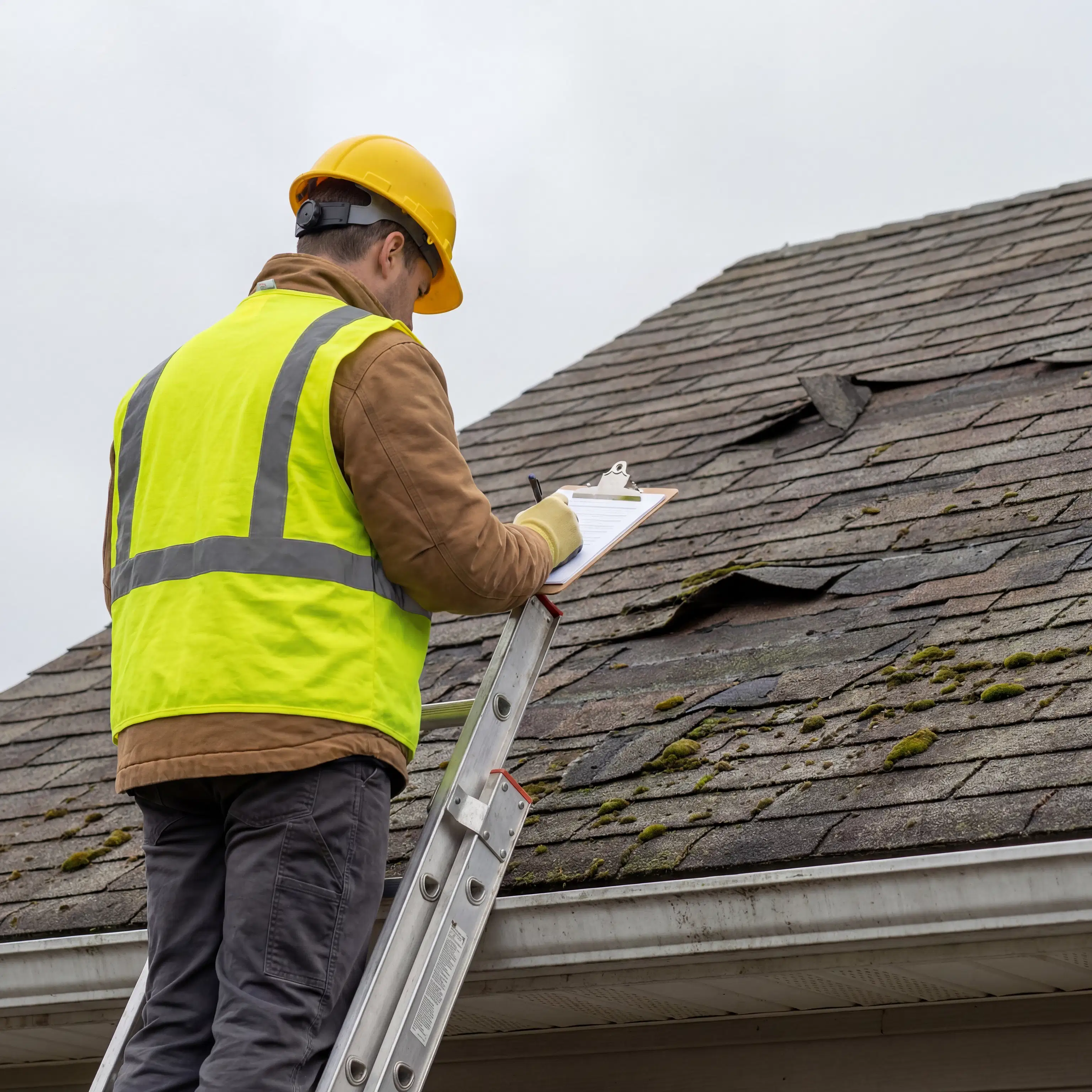
How to Tell if Asphalt Shingles Need Replacement
A common question we hear is regarding the typical lifespan of an asphalt shingle roof in the Greater Toronto Area. Generally, a high-quality asphalt roof should last between 15 and 25 years, depending on the material grade and the quality of the attic ventilation. However, severe weather events and extreme temperature fluctuations can accelerate wear and tear.
You do not necessarily need to climb up a ladder to spot the early warning signs. From the ground, take a careful look at your roof's surface. Are the shingles laying completely flat? If you notice that the edges of the shingles are curling upward or buckling in the middle, they have likely reached the end of their useful life. Curling shingles leave your home highly vulnerable to high winds, which can easily catch the lifted edges and tear them completely off the roof deck.
Granule loss is another major red flag. The sandpaper-like mineral granules on your shingles are designed to protect the underlying asphalt from the sun's damaging ultraviolet rays. If you find significant accumulations of dark, sand-like granules in your gutters or washing out of your downspouts after a heavy rain, your roof is losing its protective layer and will rapidly deteriorate under the weight of winter snow.
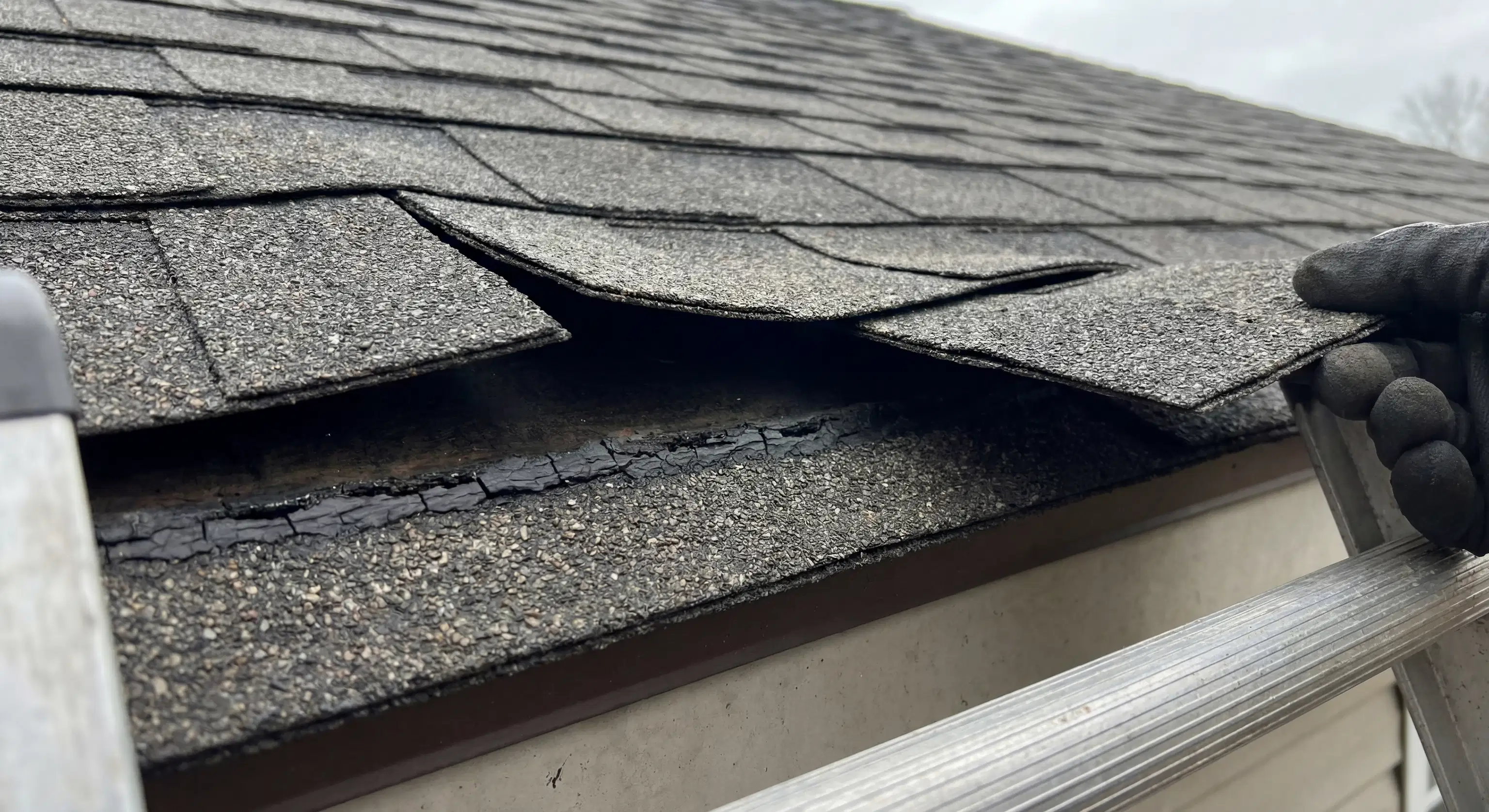
Interior Warning Signs and Ice Damming Risks
Sometimes the most obvious signs that you need a new roof are found inside the house. Take a flashlight into your attic on a bright, sunny afternoon. If you can see daylight peeking through the roof boards, or if you spot dark water stains and streaks on the rafters, moisture is actively penetrating your roof system.
Proper attic ventilation and insulation are critical components of your roofing system, particularly when it comes to preventing ice damming during the winter. Ice dams form when heat escapes from your living space into the attic, melting the snow on the upper parts of the roof. This melted water runs down to the colder eaves and freezes, creating a ridge of ice that blocks future runoff. The trapped water then backs up under the shingles, leading to severe interior leaks. If you experienced ice dams last winter, it is a clear indicator that your roofing system's ventilation and underlayment need to be evaluated and likely upgraded.
To safely assess these hard-to-reach areas, the roofing industry is rapidly evolving. We now utilize advanced drone-assisted roof inspections and aerial measurement tools. This technology allows us to capture high-definition imagery of your roof's condition safely and accurately, providing you with transparent evidence of any damage without us having to step foot on an unstable, icy surface.
The Best Time of Year for Roof Replacement
Timing is everything when it comes to major exterior renovations. The most active and optimal roofing season typically runs from April through November. Installing new shingles during this window is ideal because asphalt materials require the sun's ambient heat to properly adhere and form a permanent, watertight seal. While emergency repairs can sometimes be managed during the colder months, a full replacement in the middle of winter carries logistical challenges, delays, and higher costs due to the severe weather constraints.
Homeowners should prioritize their roof assessments in the late summer or early fall. By securing a reliable contractor before the first major snowfall, you ensure that your home is protected by solid workmanship and strong manufacturer warranties. Keep in mind that reputable contractors prioritize safety and must adhere to strict WSIB compliance and Working at Heights regulations. These safety protocols are vital for protecting both the workers and your property, but they can slow down winter projects when conditions become hazardous.
Do not wait for a heavy blizzard to reveal the vulnerabilities in your home's exterior. If your home is showing any of these warning signs, it is time to take action. Contact the experienced team at Roofing Plus today to schedule a thorough inspection. Whether you need a localized repair to get you through the season or a complete roof installation, we are here to help protect your investment. Reach out to us to ensure your Sauga home is safe, warm, and secure before winter arrives.