
Preventing Winter Ice Dams With Proper Ventilation
Winter in Mississauga brings a unique set of challenges for homeowners. Between the heavy snowfall, freezing temperatures, and the damp, high-wind weather patterns driven by the lake effect, your home's exterior is put to the test every single year. While most of us focus on keeping the inside of our homes as warm and cozy as possible, it is actually just as important to think about keeping the top of your house cold.
One of the most destructive winter roofing issues you can face is the formation of ice dams. These thick ridges of solid ice build up along the edge of your roofline, trapping melting snow and forcing water to back up under your shingles. If left unchecked, this trapped water can cause extensive damage to your ceilings, walls, insulation, and the structural integrity of your home. Fortunately, this common winter nightmare is entirely preventable. The secret to protecting your home does not just lie in the quality of your shingles, but in how well your attic breathes.
Understanding How Ice Dams Form
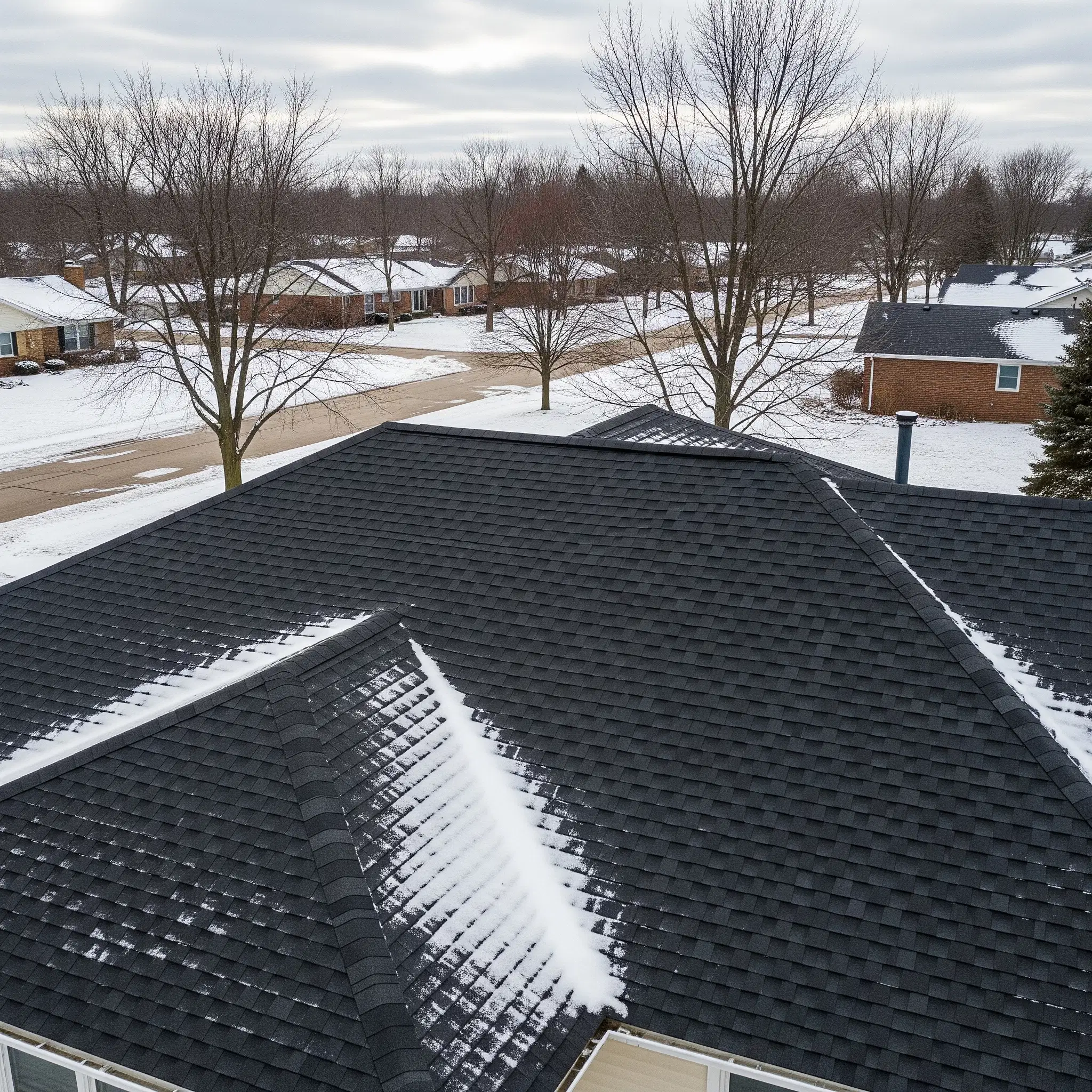
To understand how to stop ice dams from forming, it helps to look at the science behind why they occur in the first place. Ice dams are fundamentally a temperature regulation problem. During the winter, the heat from your living spaces naturally rises. If your attic is not properly insulated and ventilated, that warm air escapes into the attic space, causing the underside of your roof deck to heat up.
When snow falls on this artificially warmed roof, it begins to melt, regardless of how cold it is outside. This melted water runs down the slope of your roof until it reaches the eaves and soffits. Because the eaves extend past the exterior walls of your heated home, they remain freezing cold. The runoff water hits this cold zone and immediately refreezes into ice.
As this cycle repeats over days and weeks, the ice accumulates into a massive barrier or "dam." The next wave of melting snow has nowhere to go. It pools behind the ice block and eventually works its way backward, seeping under the roof covering and leaking directly into your home. When we talk to homeowners about preventing ice damming on asphalt shingle roofs, the conversation almost always points back to a failure in the airflow system beneath the surface.
How Proper Roof Ventilation Solves the Problem
The most effective way to combat this destructive cycle is to ensure your roof deck stays cold, matching the outside winter air temperature. This is where advanced attic airflow solutions for roof installation come into play. A properly functioning ventilation system creates a continuous, balanced flow of outdoor air passing through your attic space.
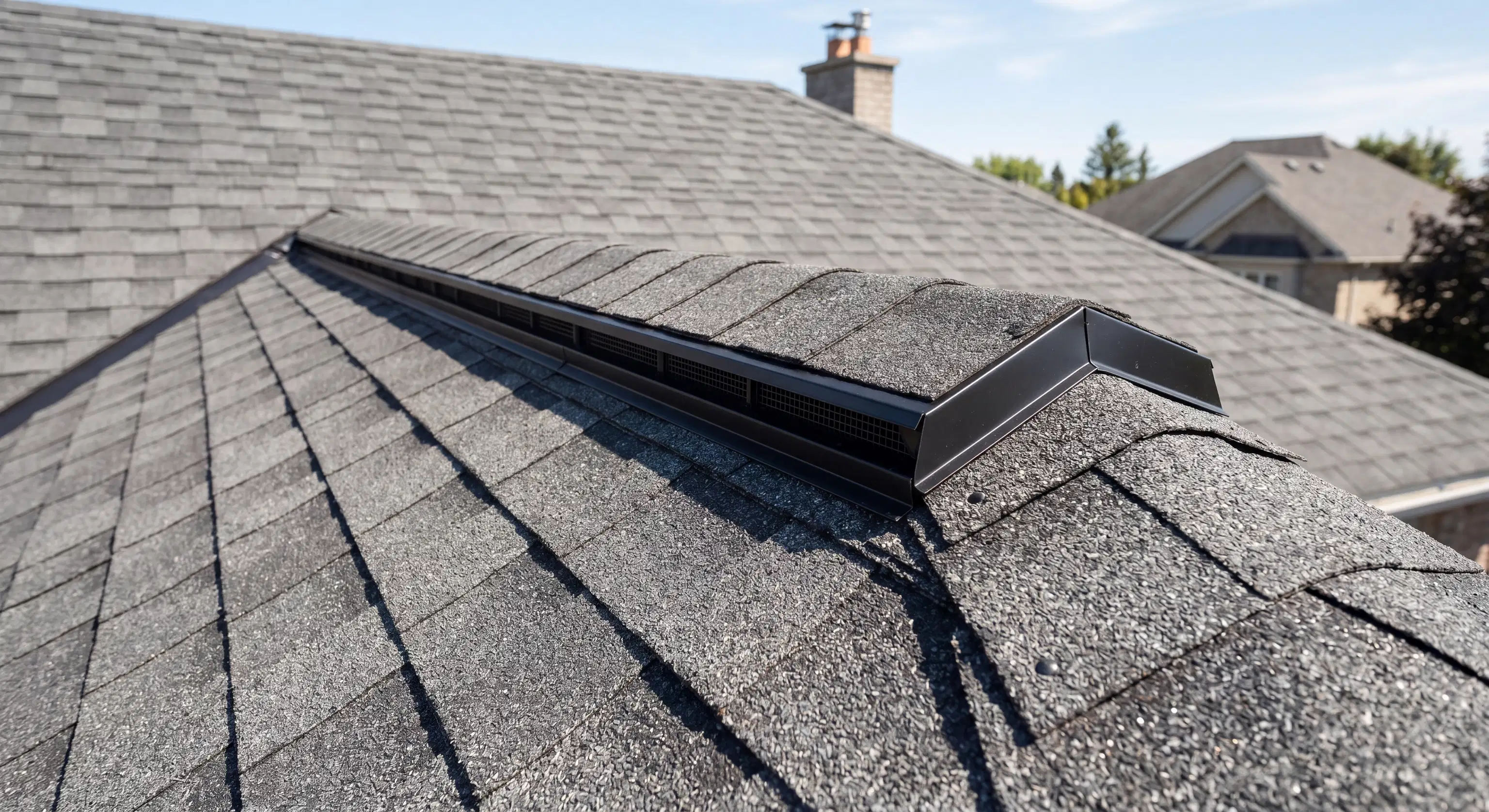
This system relies on two critical components: intake vents and exhaust vents. Intake vents are typically located under the eaves at the lowest part of the roofline. They draw in fresh, cold air from the outside. As that air moves upward along the underside of the roof deck, it gathers the heat and moisture that has escaped from your living areas. Finally, exhaust vents located at or near the peak of the roof expel that warm, moist air safely outside.
When this airflow is balanced and unobstructed, the roof deck remains cold, and the snow on top melts evenly and naturally from the sun, rather than melting from artificial heat underneath. By understanding how proper roof ventilation prevents ice dams, you can save yourself thousands of dollars in emergency repairs, drywall patching, and insulation replacement.
The Importance of Professional Installation
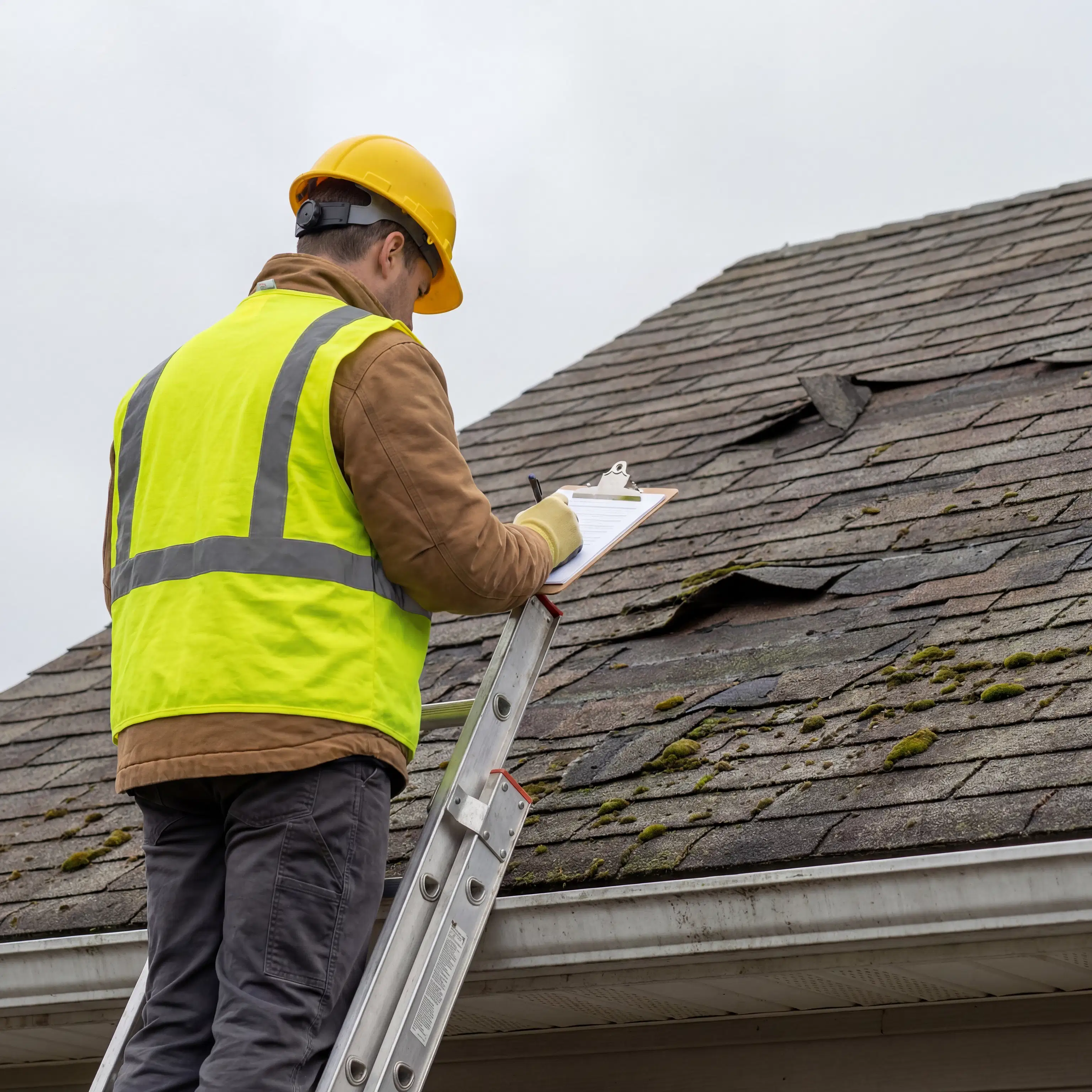
Navigating the roofing industry in the GTA can sometimes be stressful for homeowners. Many people are understandably skeptical of fly-by-night contractors who offer suspiciously low estimates. Unfortunately, the way these contractors cut costs is often by skipping crucial unseen steps, like calculating proper ventilation ratios, upgrading baffles, or installing adequate ice and water shielding at the eaves.
Missing these vital steps can completely ruin a brand-new roof and will frequently void premium manufacturer warranties. Whether you are living in a historic property or a modern semi-detached home, every structure requires a customized approach to ventilation. It is critical to work with fully licensed, WSIB-compliant professionals who prioritize the long-term health of your home. A reliable contractor will provide transparent, detailed estimates that clearly explain the airflow solutions being implemented, ensuring your investment is protected against both severe winters and blistering summer heat.
Protect Your Home This Winter
Do not wait until you see massive icicles hanging from your gutters or water spots appearing on your bedroom ceiling to think about your roof's health. Addressing ventilation issues early is the most cost-effective way to extend the lifespan of your home's exterior and keep your family comfortable all season long.
Proper airflow calculation and weatherproofing are standard procedures in all of our roof installs. If you want peace of mind knowing your Sauga home is truly prepared for whatever the winter weather brings, reach out to the experts at Roofing Plus today. We are here to provide honest assessments, quality craftsmanship, and lasting solutions for your home.